Rocking Chair
A Marcel Breuer inspired chair made from scrap material.
2025
Year
Product Designer
Role
Physical Product
Category
1 Week
Duration
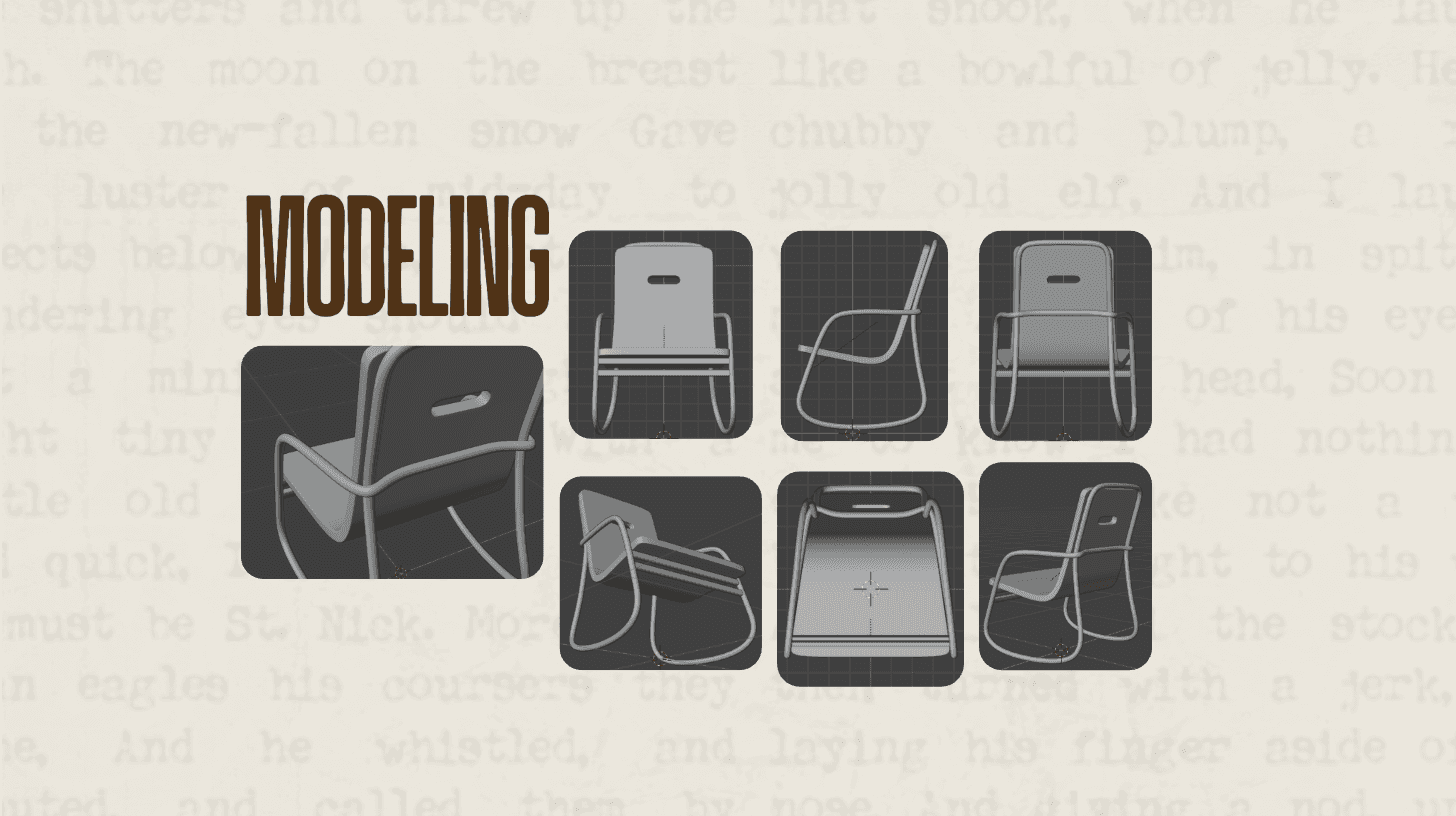
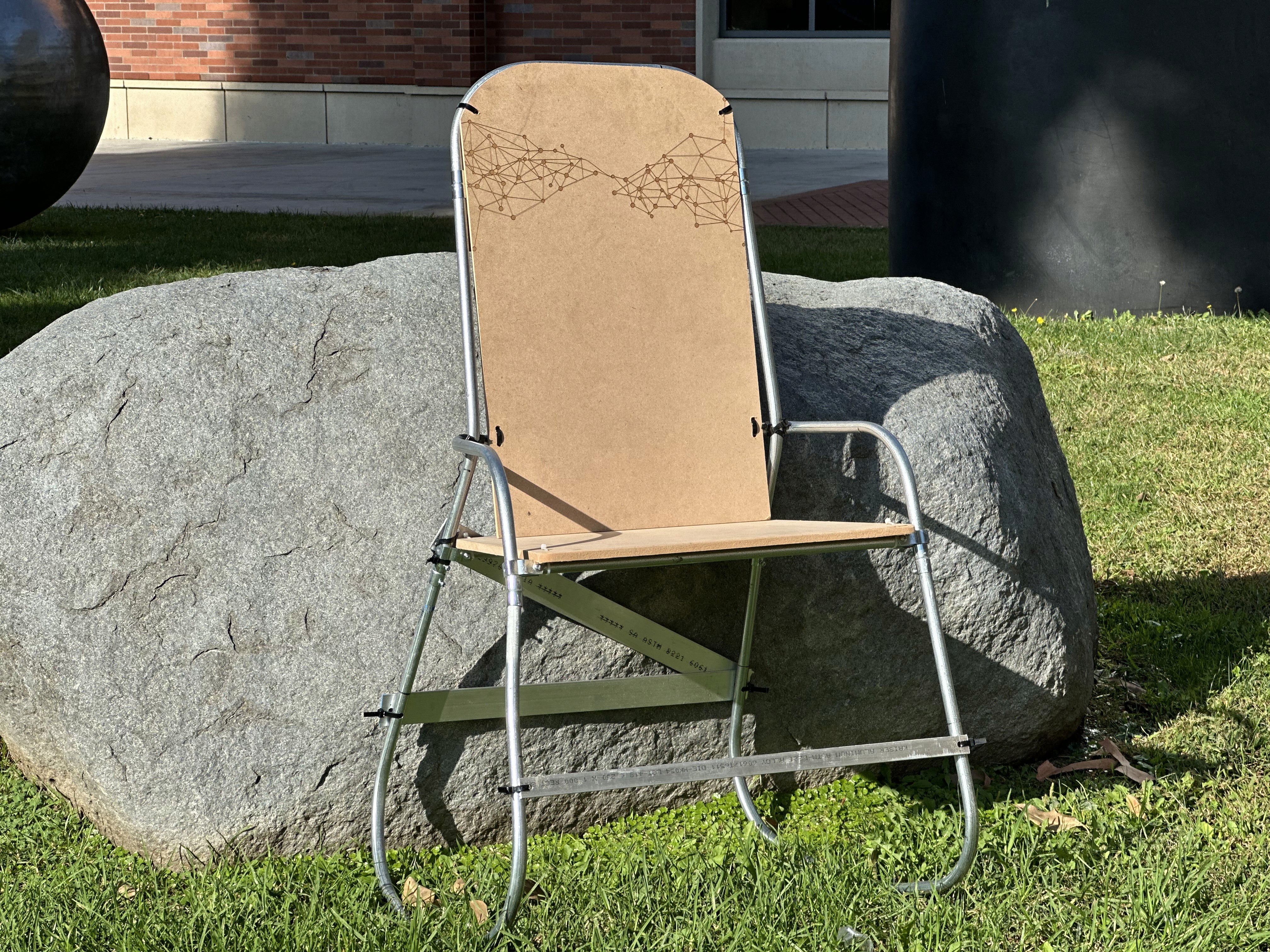
Our Chair
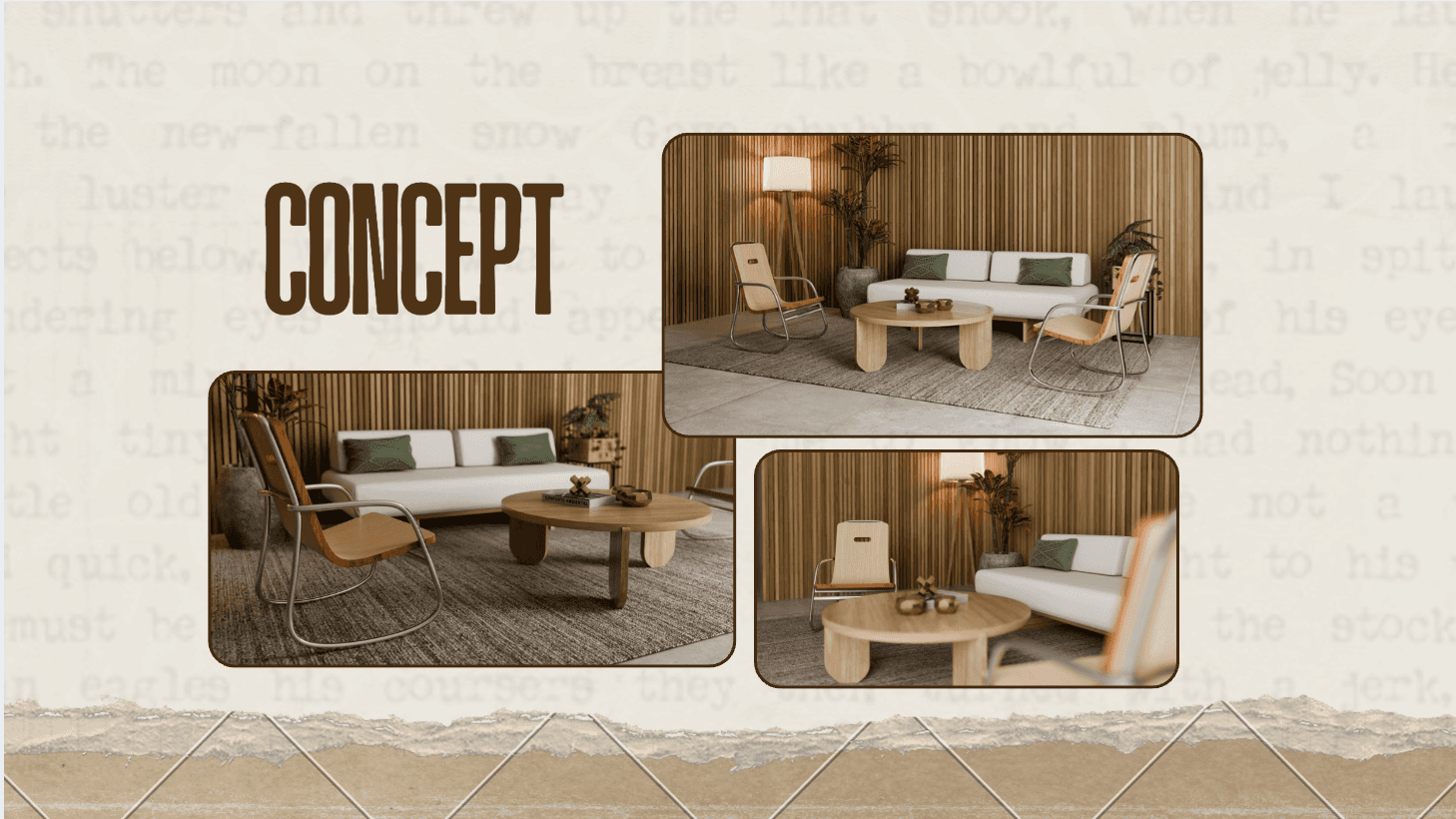
The design combines tubular steel structure and exposed joints with a lightweight wooden seat, translating “truth to materials” and evolving architecture into a contemporary rocking form. Developed through digital modeling and full-scale prototyping, the project explores how structure becomes aesthetic while balancing stability, movement, and human scale.
My Role - Fabricator
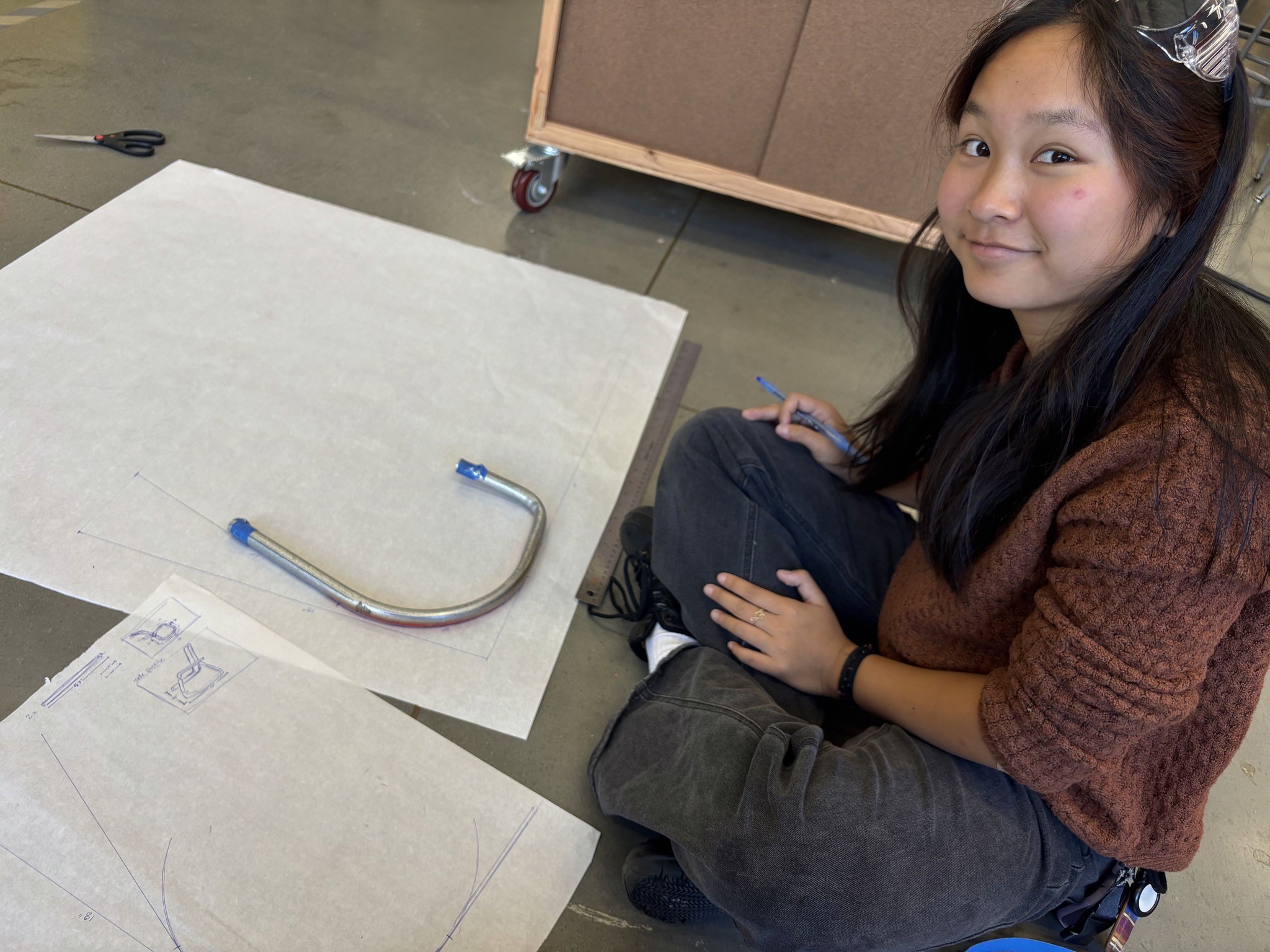
My main goal? Make the chair with as much recycled material as possible. No trips to Home Depot (except for 1 last resort journey to get a conduit fitting joinery tube).
I fabricated the chair using reclaimed metal pipe (actually electrical tubing) and scrap wood, drafting measured drawings to guide bending radii, joinery, and overall proportions. Because we were using all things scrap, I had to draft up multiple versions of the frame of the chair to optimize the material we had and see what parts were structurally necessary and what parts we could save to make the chair overall larger. The more structural support we needed, the shorter the chair would become. So this was the ideal size that we landed on.
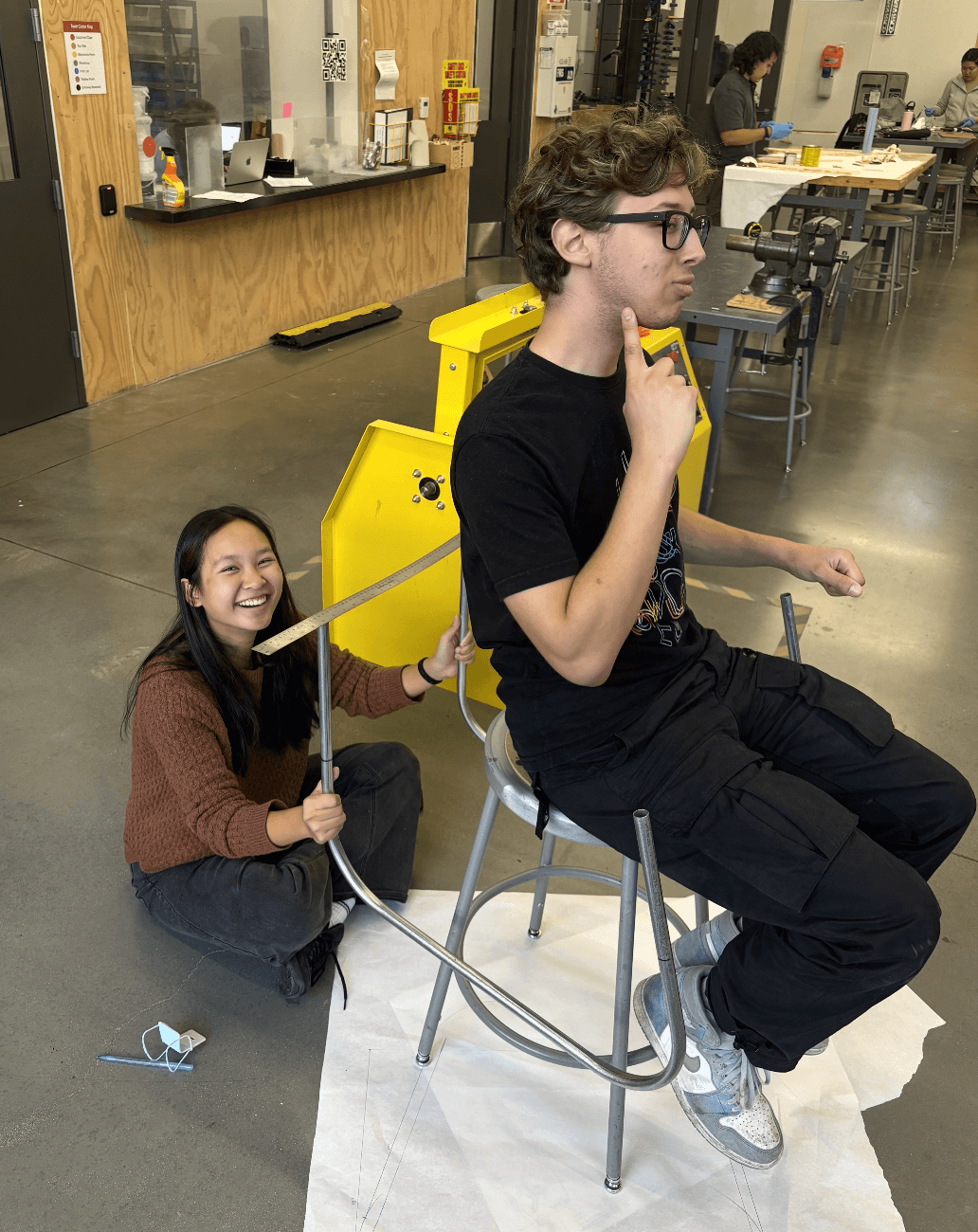
Connecting Electrical Tubes
We were very excited about potentially getting to weld the chair, however, we quickly ran into the realization that the tubing was galvanized meaning that welding would result in releasing toxic zinc fumes and this was prohibited by the National Electrical Code (NEC).
We then turned to designing and 3D printing custom press fit and T-joints, but they repeatedly failed. The first time it failed, it simply snapped and we believed it was just that the infill was too low. However, even after making the infill 100% and changed the filament to carbon fiber it still snapped under a human body's weight. At this point it started to become more expensive than just going to find a joint at HomeDepot at that point, and it no longer aligned with our "use whatever we have available and spend as little as possible" mantra.
Due to using electrical tubing that almost never needs a T joint, we found ourselves at a roadblock when trying to add our structural bridges across the back of the chair. Any point needing to connect more than 2 tubes wouldn't fit the joints we bought at Home Depot. With no where else to turn to, we came hand in hand with our trustworthy drilled holes and zip ties - and who knew? Zip ties will never let you down.
A Curved Seat? The Wood Said No.
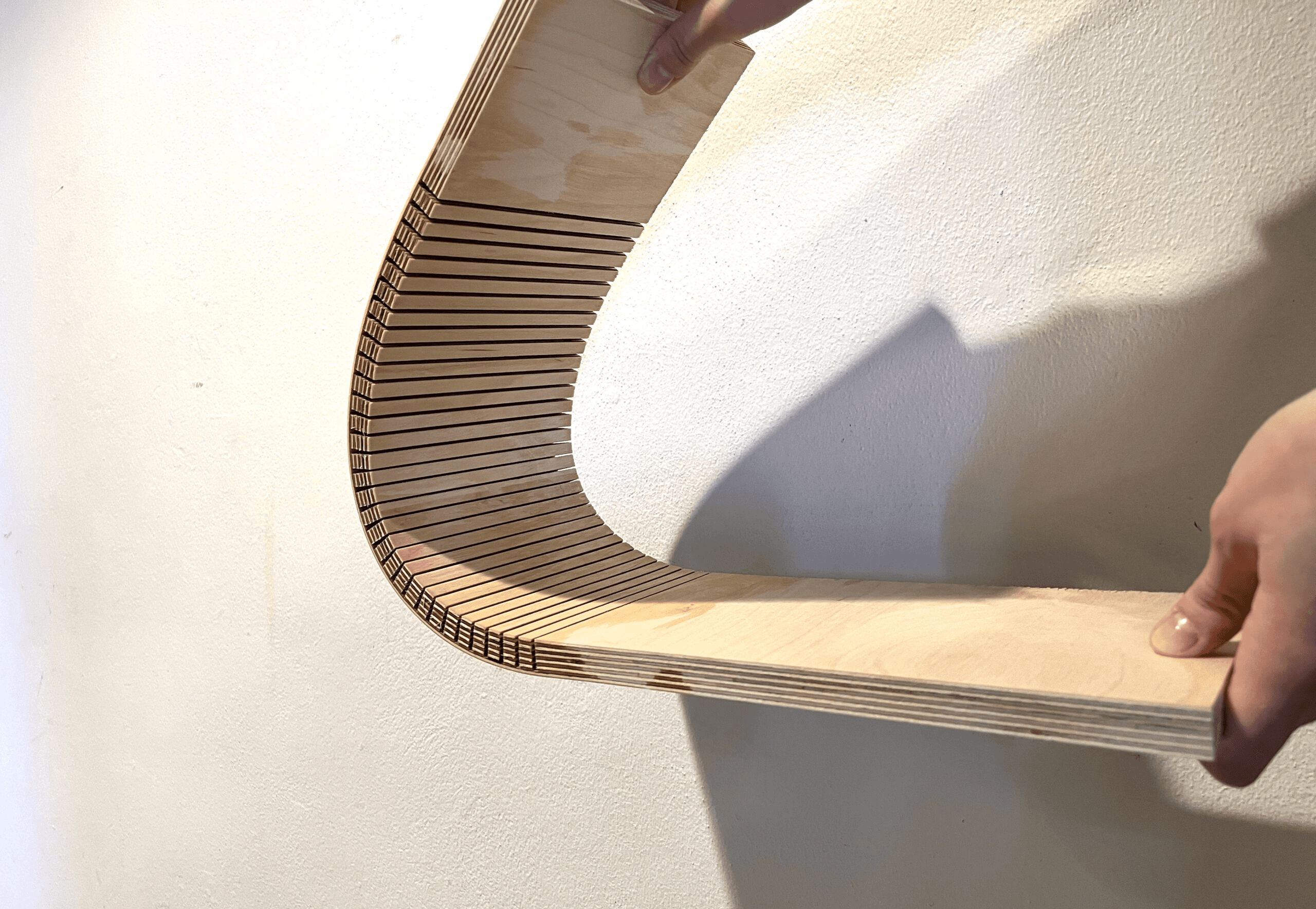
A major challenge was bending the wood seat: our original concept called for a smooth continuous curve piece achieved through kerfing, but the available material could not withstand the stress without cracking. We were able to get the kerfing to bend to a large obtuse angle, but the closer we got to a right angle, it just wouldn't withstand - even with soaking the wood to make it more flexible. The final design reflects a structural compromise informed directly by the limits of the scrap materials we chose to work with.